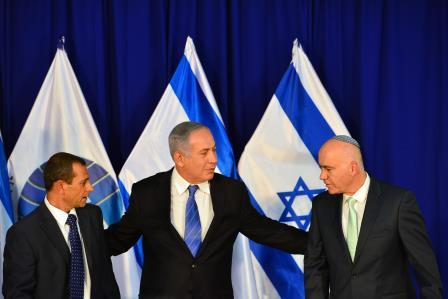
 Nadav Argaman was appointed ISA Director in May 2016, replacing outgoing director Yoram Cohen. Argaman, who joined the ISA in 1983, served in various operational positions, and was appointed Head of Operations Division in 2003. In 2007 Argaman was appointed ISA's representative in North America, and served in this capacity for four years before being appointed Deputy ISA Director in 2011. Argaman was loaned out to the Atomic Energy Commission for a period of one year, and in September 2015, as Roni Alsheich was appointed Chief of Israeli Police, Argaman returned to take his place as Deputy Director at the request of ISA Director Yoram Cohen. On 8 May 2016 Nadav Argaman began his term as ISA Director.
Nadav Argaman was appointed ISA Director
May, 2016
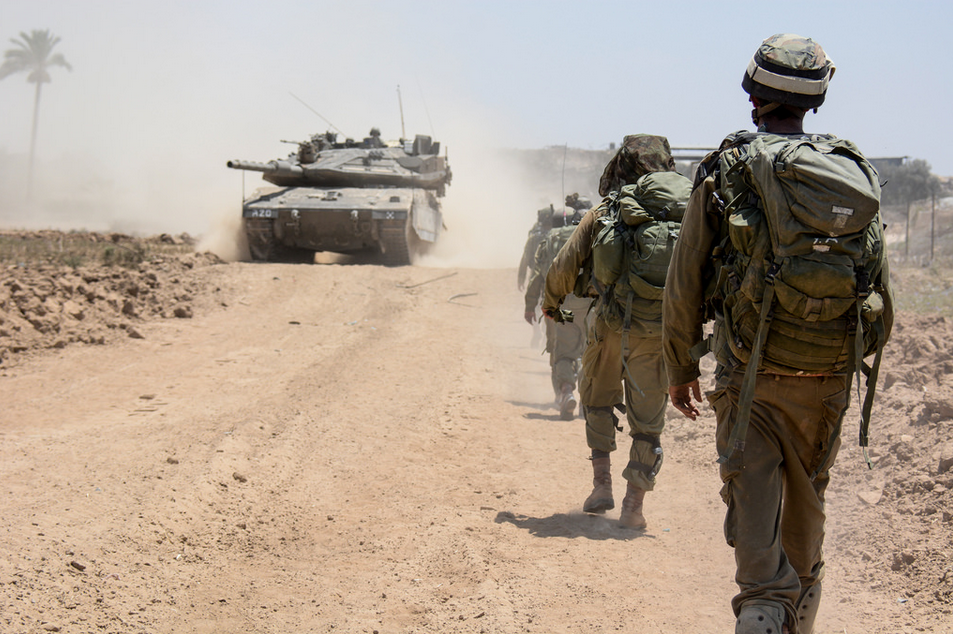 Operation Protective Edge took place in the summer of 2014, from 7 July until 27 August 2014. Over these 50 days, approximately 4200 high trajectory missiles were launched against Israel from the Gaza Strip, mainly short- and mid-range ones (up to 50 km). 10% of the high trajectory missiles were long-range rockets fired at the Tel Aviv Metropolitan Area, the Sharon area, Jerusalem, Hadera, and Northern Israel. Several dozens of rockets were also launched against Israel from the Sinai Peninsula. Most rockets fired on populated areas were intercepted by the Iron Dome.
During operation Protective Edge IDF, in cooperation with ISA, attacked 6000 targets, including Hamas's firing cells, launching pits, tunnel shafts, weapon storage sites, commands, and homes of senior Hamas operatives, mainly from the military wing.
Some of the most dramatic events in the operation were two thwarted attempts to infiltrate Israel. One such attempt was made by operatives who emerged from the sea on Zikim beach. The second attempt was carried out by 15 terrorists who came out of a tunnel leading from the Gaza Strip into Sufa kibbutz on 17 July.
Following these incidents, the ground phase of operation Protective Edge began on the night of 17 July. The main purpose of the incursion was to discover and destroy offensive tunnels, particularly those leading into Israel and those that could potentially be used for infiltrating Israel to execute an attack. Two more major attacks of this kind took place during the operation – the 19 July infiltration of a military post near Nahal Oz and the 21 July infiltration around Nir Am.
The ground phase of the operation led to fierce fighting in Shuja'iyya, Beit Hanoun, and Rafah. Dozens of Hamas operatives were detained and interrogated by ISA. Life-saving information was obtained in their interrogations and passed on to the ground forces, suggesting new targets for IDF and alerting the soldiers of tunnel locations and openings.
A ceasefire was announced on 26 August 2014.
Six civilians were killed in Israel during operation Protective Edge – five Israelis, including a four-year-old boy from Nirim, and one Thai citizen. 65 soldiers were killed, and approximately 300 were wounded.
Operation Protective Edge took place in the summer of 2014, from 7 July until 27 August 2014. Over these 50 days, approximately 4200 high trajectory missiles were launched against Israel from the Gaza Strip, mainly short- and mid-range ones (up to 50 km). 10% of the high trajectory missiles were long-range rockets fired at the Tel Aviv Metropolitan Area, the Sharon area, Jerusalem, Hadera, and Northern Israel. Several dozens of rockets were also launched against Israel from the Sinai Peninsula. Most rockets fired on populated areas were intercepted by the Iron Dome.
During operation Protective Edge IDF, in cooperation with ISA, attacked 6000 targets, including Hamas's firing cells, launching pits, tunnel shafts, weapon storage sites, commands, and homes of senior Hamas operatives, mainly from the military wing.
Some of the most dramatic events in the operation were two thwarted attempts to infiltrate Israel. One such attempt was made by operatives who emerged from the sea on Zikim beach. The second attempt was carried out by 15 terrorists who came out of a tunnel leading from the Gaza Strip into Sufa kibbutz on 17 July.
Following these incidents, the ground phase of operation Protective Edge began on the night of 17 July. The main purpose of the incursion was to discover and destroy offensive tunnels, particularly those leading into Israel and those that could potentially be used for infiltrating Israel to execute an attack. Two more major attacks of this kind took place during the operation – the 19 July infiltration of a military post near Nahal Oz and the 21 July infiltration around Nir Am.
The ground phase of the operation led to fierce fighting in Shuja'iyya, Beit Hanoun, and Rafah. Dozens of Hamas operatives were detained and interrogated by ISA. Life-saving information was obtained in their interrogations and passed on to the ground forces, suggesting new targets for IDF and alerting the soldiers of tunnel locations and openings.
A ceasefire was announced on 26 August 2014.
Six civilians were killed in Israel during operation Protective Edge – five Israelis, including a four-year-old boy from Nirim, and one Thai citizen. 65 soldiers were killed, and approximately 300 were wounded.Operation Protective Edge
Jul, 2014
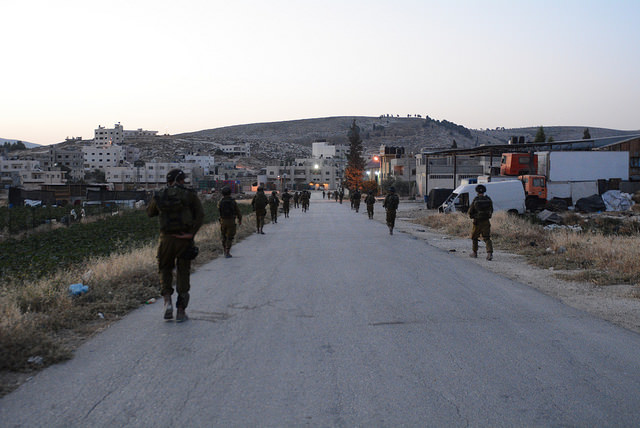 On 12 June 2014, three Israeli teenagers - Gilad Shaar, Naftali Frenkel, and Eyal Yifrach - were kidnapped and murdered after hitchhiking from a bus stop in Gush Etzion. The perpetrators were Marwan Qawasmeh and Amar Abu Aysha, Hamas operatives from Hebron. The teenagers’ bodies, buried in a plot of land belonging to Hussam Qawasmeh, were found on 30 June 2014.
After the bodies were discovered, Hussam Qawasmeh was wanted by the authorities and planned to flee to Jordan using forged documentation. He was found and arrested in a hideout in Shuafat refugee camp. Hussam’s questioning by ISA indicated that he played a senior role in the planning of this terrorist attack. Six months prior, he used the aid of his Gaza Strip-based brother Mahmoud to obtain funding for the attack. This money was used to purchase the vehicle for the attack, two handguns, and two rifles. After the attack, Hussam helped the perpetrators hide in Hebron.
On 22 September 2014, the two perpetrators of the attack were killed in a carpentry shop in Hebron
On 12 June 2014, three Israeli teenagers - Gilad Shaar, Naftali Frenkel, and Eyal Yifrach - were kidnapped and murdered after hitchhiking from a bus stop in Gush Etzion. The perpetrators were Marwan Qawasmeh and Amar Abu Aysha, Hamas operatives from Hebron. The teenagers’ bodies, buried in a plot of land belonging to Hussam Qawasmeh, were found on 30 June 2014.
After the bodies were discovered, Hussam Qawasmeh was wanted by the authorities and planned to flee to Jordan using forged documentation. He was found and arrested in a hideout in Shuafat refugee camp. Hussam’s questioning by ISA indicated that he played a senior role in the planning of this terrorist attack. Six months prior, he used the aid of his Gaza Strip-based brother Mahmoud to obtain funding for the attack. This money was used to purchase the vehicle for the attack, two handguns, and two rifles. After the attack, Hussam helped the perpetrators hide in Hebron.
On 22 September 2014, the two perpetrators of the attack were killed in a carpentry shop in HebronOperation Brother's Keeper
Jun, 2014
 On 14-21 November 2012, in response to the major terror escalation from the Gaza Strip, Israel launched Operation Pillar of Defense. The escalation came as a result of series of attacks which targeted IDF and following a mount in the number of high trajectory launchings of rockets and mortar shells against Israel. The Operation began with the killing of Head of Hamas military wing Ahmad Jabari (14 November 2012).
Throughout the eight days of the Operation, the IDF attacked circa 1,500 targets in the Gaza Strip with the help of ISA intelligence; thousands of rockets were destroyed and the long range rocket array (consisting of Fajr rockets) was heavily damaged. Still more, over 210 tunnels were attacked and nearly 70 Hamas and PIJ targets were also hit, to include posts, weapons warehouses, and Hamas government emblems with nexus to Hamas' military activity, 30 of which were homes of senior military Hamas commanders.
Throughout the Operation, circa 1,700 rockets and over 50 mortar shells were fired into Israel from the Gaza Strip. About a quarter of all rockets fired into Israel (436) were intercepted by Iron Dome Defense System. Less than one percent of all rockets (0.6%, circa 10 rockets) were long ranged (over 60km), of which seven were launched towards Tel Aviv Metropolitan area, and two were launched towards Jerusalem. Six Israelis were killed during Operation Pillar of Defense (four citizens and two soldiers) and there were nearly 250 casualties
On 14-21 November 2012, in response to the major terror escalation from the Gaza Strip, Israel launched Operation Pillar of Defense. The escalation came as a result of series of attacks which targeted IDF and following a mount in the number of high trajectory launchings of rockets and mortar shells against Israel. The Operation began with the killing of Head of Hamas military wing Ahmad Jabari (14 November 2012).
Throughout the eight days of the Operation, the IDF attacked circa 1,500 targets in the Gaza Strip with the help of ISA intelligence; thousands of rockets were destroyed and the long range rocket array (consisting of Fajr rockets) was heavily damaged. Still more, over 210 tunnels were attacked and nearly 70 Hamas and PIJ targets were also hit, to include posts, weapons warehouses, and Hamas government emblems with nexus to Hamas' military activity, 30 of which were homes of senior military Hamas commanders.
Throughout the Operation, circa 1,700 rockets and over 50 mortar shells were fired into Israel from the Gaza Strip. About a quarter of all rockets fired into Israel (436) were intercepted by Iron Dome Defense System. Less than one percent of all rockets (0.6%, circa 10 rockets) were long ranged (over 60km), of which seven were launched towards Tel Aviv Metropolitan area, and two were launched towards Jerusalem. Six Israelis were killed during Operation Pillar of Defense (four citizens and two soldiers) and there were nearly 250 casualtiesOperation Pillar of Defense
Nov, 2012
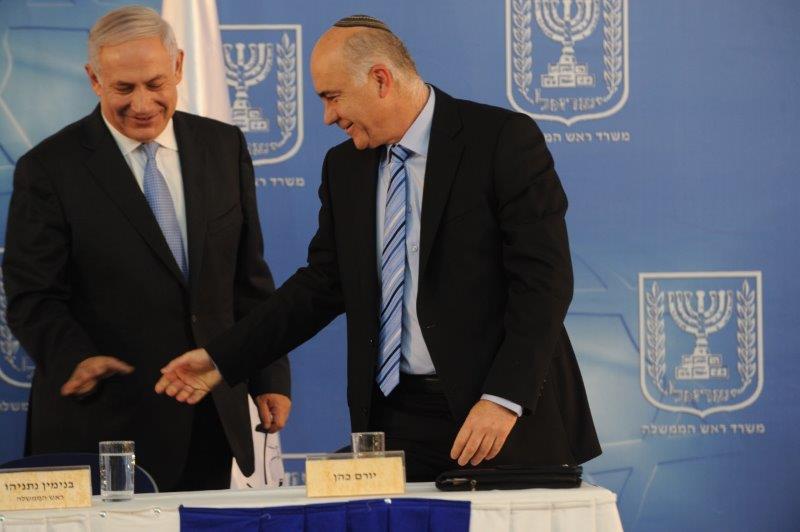 Cohen was appointed to replace former ISA Director Yuval Diskin.
Cohen began his career as a field security guard in Judea and Lebanon. He then attended a field case-officers' course.
After a series of field and management positions, Cohen was appointed in 2001 as head of the Arab-Islamic CT and CI Division.
In 2003, Cohen was chosen to head the Central Field Office.
From 2005 to 2008, Cohen served as Deputy ISA Director.
On 15 May 2011 Cohen was appointed ISA Director
Cohen was appointed to replace former ISA Director Yuval Diskin.
Cohen began his career as a field security guard in Judea and Lebanon. He then attended a field case-officers' course.
After a series of field and management positions, Cohen was appointed in 2001 as head of the Arab-Islamic CT and CI Division.
In 2003, Cohen was chosen to head the Central Field Office.
From 2005 to 2008, Cohen served as Deputy ISA Director.
On 15 May 2011 Cohen was appointed ISA DirectorYoram Cohen was appointed as the head of the ISA
May, 2011
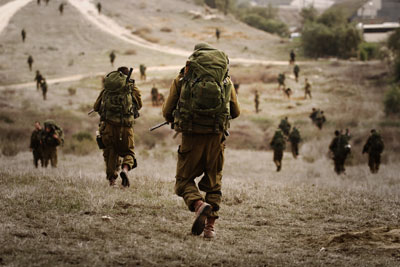 Operation Cast Lead (December 27, 2008 – January 18, 2009) aimed to redefine the routine 'security reality' in southern Israel and to retaliate to the everyday high trajectory launchings of rockets and mortar shells from the Gaza Strip to Israel which greatly escalated towards the end of the Lull in December 19, 2008.
During the operation, ISA used all of its capabilities to select targets for attack, build an intelligence picture for IDF, and present a real time intelligence picture to the forces. During the operation, IDF ground forces and IAF attacked almost 1,300 targets in the Gaza Strip, most of them were Hamas targets. They included places where rockets were produced and stored, tunnels for smuggling weapons, training camps and facilities, and infrastructures. During the operation, more than 650 rockets were launched towards Israel, about 20% of them were long range rockets which landed in Ashkelon, Ashdod, Be'er Sheva, Gedera, and Netivot. Towards the end of the operation, the goal of minimizing the number of launchings was reached.
During the operation took place, 13 Israelis were killed and close to 700 were injured. Four Israelis were killed (three citizens and one soldier) by high trajectory launching attacks and nine soldiers were killed during the operation (four were killed by friendly fire).
Operation Cast Lead (December 27, 2008 – January 18, 2009) aimed to redefine the routine 'security reality' in southern Israel and to retaliate to the everyday high trajectory launchings of rockets and mortar shells from the Gaza Strip to Israel which greatly escalated towards the end of the Lull in December 19, 2008.
During the operation, ISA used all of its capabilities to select targets for attack, build an intelligence picture for IDF, and present a real time intelligence picture to the forces. During the operation, IDF ground forces and IAF attacked almost 1,300 targets in the Gaza Strip, most of them were Hamas targets. They included places where rockets were produced and stored, tunnels for smuggling weapons, training camps and facilities, and infrastructures. During the operation, more than 650 rockets were launched towards Israel, about 20% of them were long range rockets which landed in Ashkelon, Ashdod, Be'er Sheva, Gedera, and Netivot. Towards the end of the operation, the goal of minimizing the number of launchings was reached.
During the operation took place, 13 Israelis were killed and close to 700 were injured. Four Israelis were killed (three citizens and one soldier) by high trajectory launching attacks and nine soldiers were killed during the operation (four were killed by friendly fire).
Operation Cast Lead
Dec, 2007
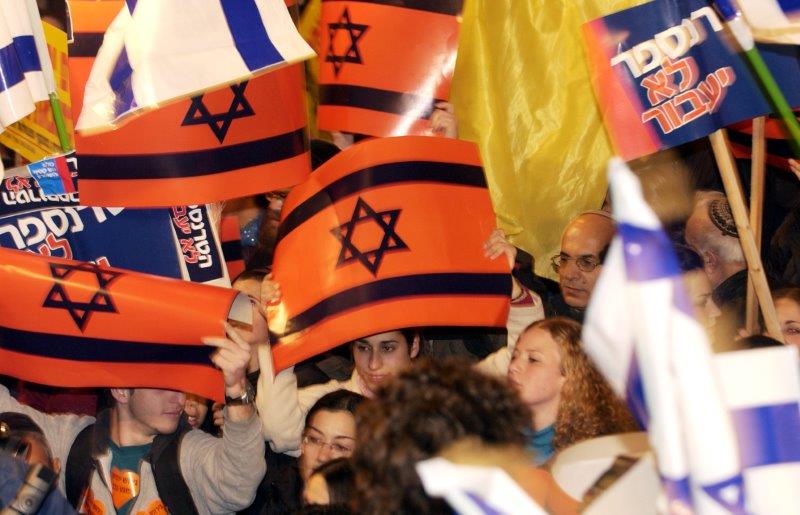 On August 5, 2007, Israel began a unilateral disengagement from the Gaza Strip and from four settlements in Northern Samaria. The IDF concluded its disengagement from Gaza on September 11th and the disengagement from northern Samaria on September 22nd. The ISA was called upon to aid the disengagement by providing continuous intelligence to secure the IDF exit, and simultaneously, acting to counter the possibility of illegal actions by those opposing the move. Following the disengagement of the IDF from the Gaza Strip, the ISA has modified its methods in dealing with this area.
The Disengagement from Gaza and Northern Samaria
Aug, 2005
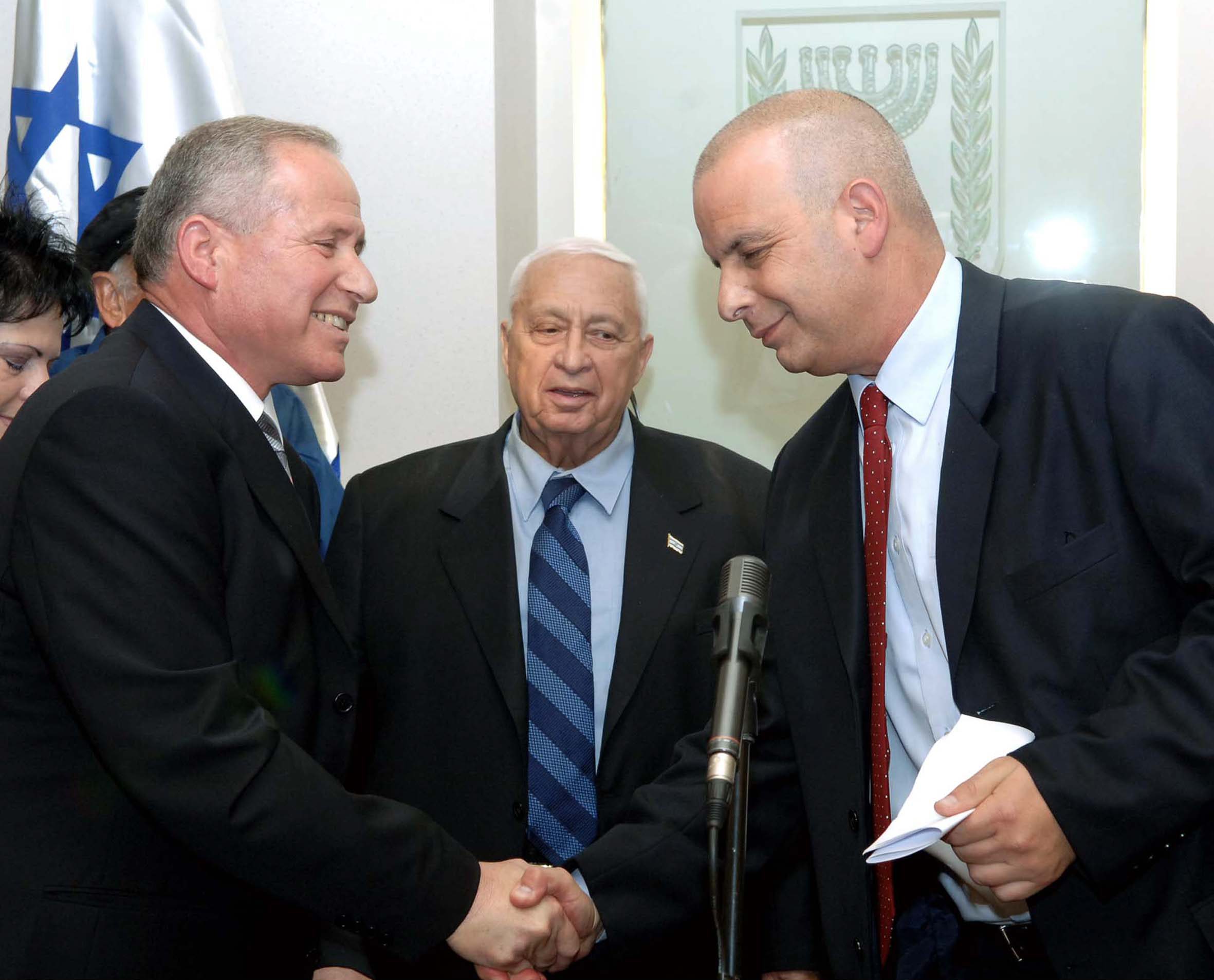 Yuval Diskin was appointed ISA director, replacing Avi Dichter, who concluded his service. Diskin began his service as a case officer in the Nablus district. Following a number of operational and administrative positions, he was appointed head of the Division for Countering Terror and Arab-Islamic Espionage. In 1997 he was appointed head of the Jerusalem, Judah and Samaria Command. In July 2000 he was appointed deputy director of the ISA, serving until September 2003. In May 2005 he was appointed to serve as director of the Agency.
Yuval Diskin is appointed ISA director
Mar, 2005
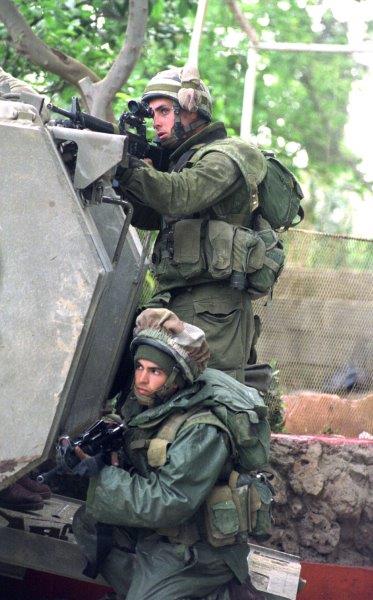 Following the murderous terror attack carried out on Passover Eve at the Park Hotel in Netanya, which killed 30 Israelis, the decision was made on March 27, 2002, to begin Operation Defensive Shield. The operation began on March 29, and during it the IDF regained control over all areas of Judea and Samaria, including areas subject to the PA.
Since this operation, the ISA and the IDF have carried out extensive countering operations in Judea, Samaria and the Gaza Strip, during which thousands of terrorists have been arrested, and many attacks were prevented.
During this period, the ISA was called upon to use its human, operational and technological capabilities to their maximum potential to counter the terror that continues to the present day.
Following the murderous terror attack carried out on Passover Eve at the Park Hotel in Netanya, which killed 30 Israelis, the decision was made on March 27, 2002, to begin Operation Defensive Shield. The operation began on March 29, and during it the IDF regained control over all areas of Judea and Samaria, including areas subject to the PA.
Since this operation, the ISA and the IDF have carried out extensive countering operations in Judea, Samaria and the Gaza Strip, during which thousands of terrorists have been arrested, and many attacks were prevented.
During this period, the ISA was called upon to use its human, operational and technological capabilities to their maximum potential to counter the terror that continues to the present day.Operation Defensive Shield
Mar, 2002
 The ISA Statute is passed in Parliament. The statute defines, for the first time, ISA authority, goals and limits of power.
The ISA Statute is passed in Parliament.
Feb, 2002
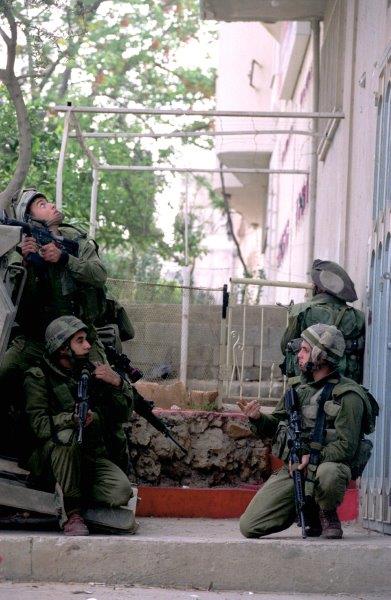 The Al-Aqsa Intifada broke out on September 28, 2000. The Intifada began with severe and violent riots and protests in the Gaza Strip, Judea and Samaria but quickly became an armed uprising characterized by unprecedented murderous acts of terror, including the widespread use of suicide bombings.
In the beginning, these riots spilled over the Green Line into Israel and became large-scale demonstrations as well as violent and severe rioting, including blocking main roads, by Arabs who are Israeli citizens.
In the conflicts between demonstrators and security forces, twelve Israeli Arabs were killed. As a result, a national investigative commission headed by Justice Theodore Or was established in order to evaluate the events.
During the Intifada, the ISA, the IDF and the Israel Police were called upon to do all they could to counter the violent events, in an effort which reached its pinnacle in Operation Defensive Shield.
Since October 2000, more than 1100 Israeli citizens have been killed, and thousands wounded.
The Al-Aqsa Intifada broke out on September 28, 2000. The Intifada began with severe and violent riots and protests in the Gaza Strip, Judea and Samaria but quickly became an armed uprising characterized by unprecedented murderous acts of terror, including the widespread use of suicide bombings.
In the beginning, these riots spilled over the Green Line into Israel and became large-scale demonstrations as well as violent and severe rioting, including blocking main roads, by Arabs who are Israeli citizens.
In the conflicts between demonstrators and security forces, twelve Israeli Arabs were killed. As a result, a national investigative commission headed by Justice Theodore Or was established in order to evaluate the events.
During the Intifada, the ISA, the IDF and the Israel Police were called upon to do all they could to counter the violent events, in an effort which reached its pinnacle in Operation Defensive Shield.
Since October 2000, more than 1100 Israeli citizens have been killed, and thousands wounded.The Al-Aqsa Intifada breaks out, and the ISA acts against it
Sep, 2000
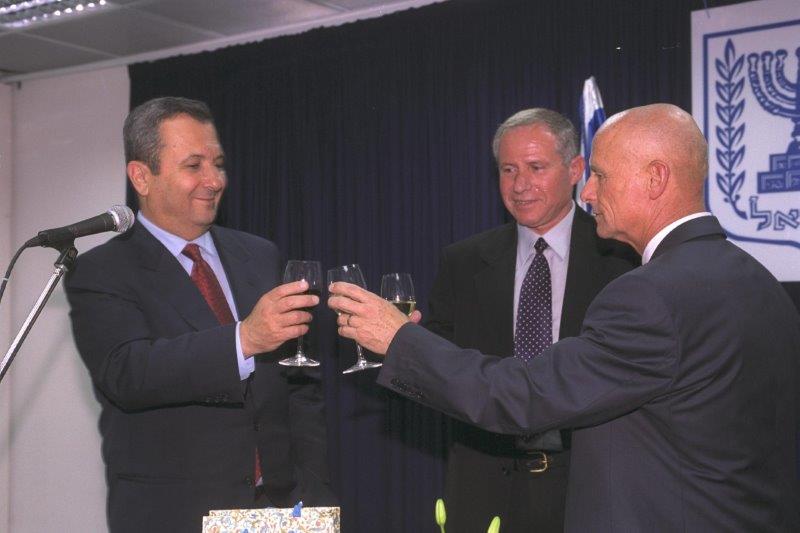 Avi Dichter was appointed ISA director, replacing Ami Ayalon. He served in this position until May 2005, serving as ISA director during the stormy period of the Al-Aqsa Intifada.
Avi Dichter is appointed ISA director
May, 2000
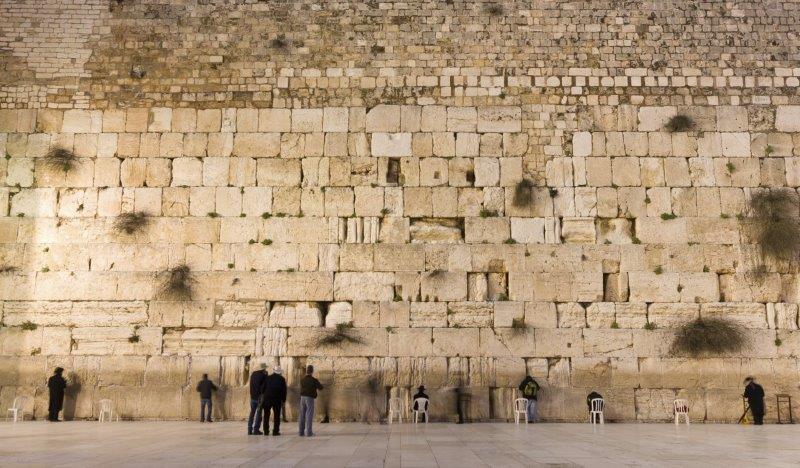 The opening of the Western Wall Tunnels led to a bloody conflict between the IDF and the security forces of the Palestinian Authority, who for the first time fired on the IDF. In riots which spread in the Gaza Strip, Judea and Samaria, and which lasted three days (September 24 – 26), 25 IDF soldiers were killed and dozens were wounded. Nearly one hundred Palestinians were killed, and one thousand wounded.
The opening of the Western Wall Tunnels
Sep, 1996
 Yihya Ayyash, the chief Hamas explosives expert who was responsible for a series of severe terrorist bombings, including suicide bombings, was liquidated in the Gaza Strip through the explosion of the cellular telephone on which he was speaking.
Ayyash, who was nicknamed the "Engineer," was hiding in the Gaza Strip after fleeing Samaria. He was responsible for the deaths of dozens of Israelis and the wounding of hundreds.
Yihya Ayyash, the chief Hamas explosives expert who was responsible for a series of severe terrorist bombings, including suicide bombings, was liquidated in the Gaza Strip through the explosion of the cellular telephone on which he was speaking.
Ayyash, who was nicknamed the "Engineer," was hiding in the Gaza Strip after fleeing Samaria. He was responsible for the deaths of dozens of Israelis and the wounding of hundreds.Yihya Ayyash is killed in an ISA operation.
Jan, 1996
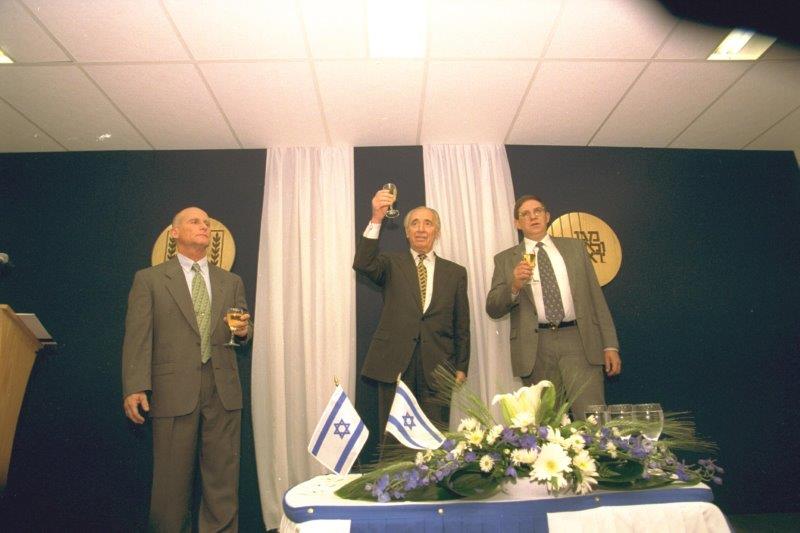 On January 8, 1996, Ami Ayalon is appointed ISA director, following the resignation of Carmi Gillon.
Ayalon succeeded in rehabilitating the public image of the ISA and in restoring the Agency's self-confidence. During his leadership, in 1997, the ISA defined its aim for the first time: this became the basis for the ISA Statute passed in 2002.
At this time the ISA Core Values, which guide ISA employees in their work, were also defined.
On January 8, 1996, Ami Ayalon is appointed ISA director, following the resignation of Carmi Gillon.
Ayalon succeeded in rehabilitating the public image of the ISA and in restoring the Agency's self-confidence. During his leadership, in 1997, the ISA defined its aim for the first time: this became the basis for the ISA Statute passed in 2002.
At this time the ISA Core Values, which guide ISA employees in their work, were also defined.Ami Ayalon is appointed ISA director.
Jan, 1996
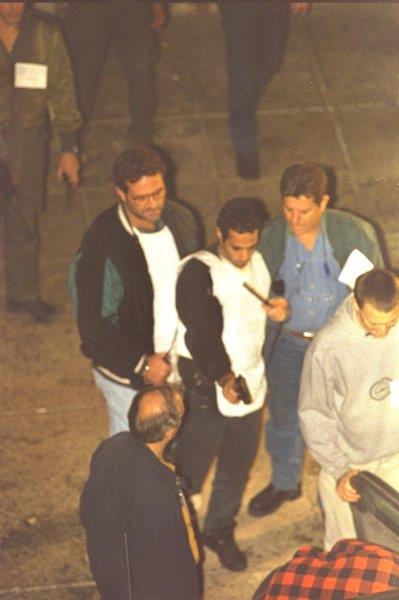 On November 4, 1995, at 9:40 PM, at the conclusion of a rally in support of the political process in the Kings of Israel Plaza, the murderer, Yigal Amir ,fired from behind Prime Minister and Defense Minister Yitzhak Rabin, killing him. The murderer was arrested, interrogated, tried and sentenced to life imprisonment.
The ISA interrogation revealed that the assassin had acted on the basis of ideological motives, aiming to halt the peace process, and that he had previously publicly expressed violent intentions against the prime minister. During the search of his house, many weapons were found, including improvised grenades and explosive blocks.
Following the assassination, the ISA director, Carmi Gillon, resigned, and Ami Ayalon was appointed in his place. Likewise, a national investigative commission headed by Justice Meir Shamgar was established. The commission identified failures in the ISA security apparatus, and suggested a number of improvements in the area of security and efficiency. The commission also recommended improvements in the intelligence work, particularly methods of handling sources, intended to ensure control over agents, as well as regarding the division of duties between the ISA, the Israel Police and the IDF.
Following the commission's recommendations, a supervisory staff was established, led by major general (ret.) Rafael Vardi. The staff included representatives of the IDF, the ISA and the police, in order to carry out the recommendations.
The assassination of prime minister Yitzhak Rabin, was a severe failure of the ISA in one of its central missions: the protection of the prime minister.
Following the assassination, an extensive process of drawing conclusions was undertaken in the ISA, on the basis of the recommendations of the "Shamgar Commission."
The assassination brought about a meaningful transformation in the understanding of the threat – given that it was carried out by a Jew, as a result of extremist ideology – and so a stricter attitude was adopted with extremist individuals supporting violence.
As a result, the mission of protecting the prime minister, and VIP security in general, became a central goal, towards which great effort has been invested. The means of protecting the prime minister were enhanced and improved.
In the area of intelligence as wellchanges occurred in the understanding of the threat and in locating individuals liable to actualize their ideological beliefs into action, and furthermore, methods of handling agents were revamped, including a rigorous supervisory mechanism.
On November 4, 1995, at 9:40 PM, at the conclusion of a rally in support of the political process in the Kings of Israel Plaza, the murderer, Yigal Amir ,fired from behind Prime Minister and Defense Minister Yitzhak Rabin, killing him. The murderer was arrested, interrogated, tried and sentenced to life imprisonment.
The ISA interrogation revealed that the assassin had acted on the basis of ideological motives, aiming to halt the peace process, and that he had previously publicly expressed violent intentions against the prime minister. During the search of his house, many weapons were found, including improvised grenades and explosive blocks.
Following the assassination, the ISA director, Carmi Gillon, resigned, and Ami Ayalon was appointed in his place. Likewise, a national investigative commission headed by Justice Meir Shamgar was established. The commission identified failures in the ISA security apparatus, and suggested a number of improvements in the area of security and efficiency. The commission also recommended improvements in the intelligence work, particularly methods of handling sources, intended to ensure control over agents, as well as regarding the division of duties between the ISA, the Israel Police and the IDF.
Following the commission's recommendations, a supervisory staff was established, led by major general (ret.) Rafael Vardi. The staff included representatives of the IDF, the ISA and the police, in order to carry out the recommendations.
The assassination of prime minister Yitzhak Rabin, was a severe failure of the ISA in one of its central missions: the protection of the prime minister.
Following the assassination, an extensive process of drawing conclusions was undertaken in the ISA, on the basis of the recommendations of the "Shamgar Commission."
The assassination brought about a meaningful transformation in the understanding of the threat – given that it was carried out by a Jew, as a result of extremist ideology – and so a stricter attitude was adopted with extremist individuals supporting violence.
As a result, the mission of protecting the prime minister, and VIP security in general, became a central goal, towards which great effort has been invested. The means of protecting the prime minister were enhanced and improved.
In the area of intelligence as wellchanges occurred in the understanding of the threat and in locating individuals liable to actualize their ideological beliefs into action, and furthermore, methods of handling agents were revamped, including a rigorous supervisory mechanism.Prime Minister Yitzhak Rabin is assassinated.
Nov, 1995
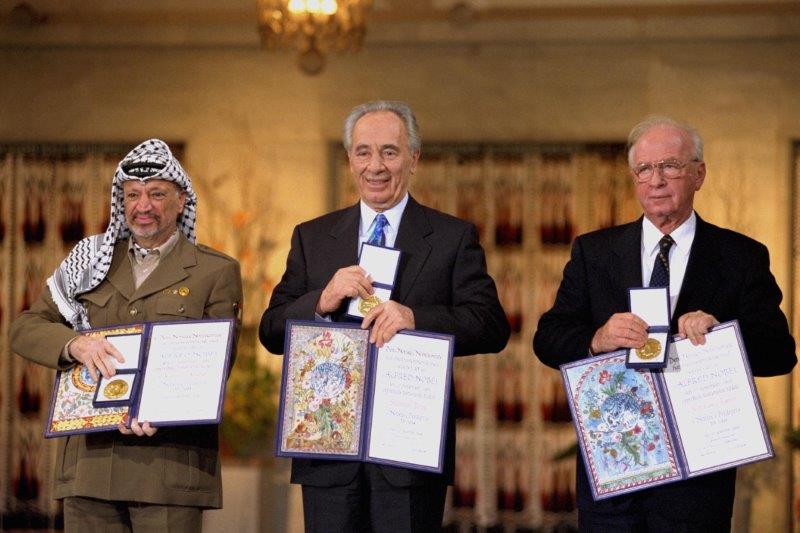 On September 13, 1993, the government of Israel and the "Palestinian Authority" signed a "Declaration of Principles," also called the "Oslo Accords," in Washington, establishing independent Palestinian rule in the areas of Judea, Samaria and Gaza, and serving as a five year interim agreement prior to negotiations on a permanent arrangement. Beginning in May 1994, the Palestinian Authority and its civil and security institutions were established in the Gaza Strip and Jericho under the leadership of Fatah/PLO according to the Gaza-Jericho Agreement.
Simultaneously, a wave of terror attacks was perpetrated in Israel and in the "territories," including a series of suicide bombings by Hamas and the Islamic Jihad, during which the PA adopted a weak stance and did not stand by its commitments in the Oslo Accords to prevent and thwart terrorist activity against Israel.
The wave of terror peaked with a series of massive suicide bombings in February-March 1996 (two attacks in Jerusalem, one attack in Ashkelon, and one attack at the Dizengoff Center in Tel Aviv), in which dozens of Israelis were killed and hundreds injured.
Following this wave of terror, as well as significant Israeli and international pressure, the PA began to act against Hamas and the Islamic Jihad, although this activity lasted only a few months. This activity was mainly carried out in the Gaza Strip, and less in Judea and Samaria, where Hamas infrastructures succeeded in carrying out a number of suicide bombings in the year 1997 as well.
In light of the lack of effective and continuous PA activity to counter terror, as well as the lack of cooperation with Israel regarding security and intelligence, the ISA independently developed tools and methods to deal with the growing terror infrastructure. These served the ISA in its war on terror from the end of 1997 until October 2000, a period in which not a single suicide terror attack was carried out
On September 13, 1993, the government of Israel and the "Palestinian Authority" signed a "Declaration of Principles," also called the "Oslo Accords," in Washington, establishing independent Palestinian rule in the areas of Judea, Samaria and Gaza, and serving as a five year interim agreement prior to negotiations on a permanent arrangement. Beginning in May 1994, the Palestinian Authority and its civil and security institutions were established in the Gaza Strip and Jericho under the leadership of Fatah/PLO according to the Gaza-Jericho Agreement.
Simultaneously, a wave of terror attacks was perpetrated in Israel and in the "territories," including a series of suicide bombings by Hamas and the Islamic Jihad, during which the PA adopted a weak stance and did not stand by its commitments in the Oslo Accords to prevent and thwart terrorist activity against Israel.
The wave of terror peaked with a series of massive suicide bombings in February-March 1996 (two attacks in Jerusalem, one attack in Ashkelon, and one attack at the Dizengoff Center in Tel Aviv), in which dozens of Israelis were killed and hundreds injured.
Following this wave of terror, as well as significant Israeli and international pressure, the PA began to act against Hamas and the Islamic Jihad, although this activity lasted only a few months. This activity was mainly carried out in the Gaza Strip, and less in Judea and Samaria, where Hamas infrastructures succeeded in carrying out a number of suicide bombings in the year 1997 as well.
In light of the lack of effective and continuous PA activity to counter terror, as well as the lack of cooperation with Israel regarding security and intelligence, the ISA independently developed tools and methods to deal with the growing terror infrastructure. These served the ISA in its war on terror from the end of 1997 until October 2000, a period in which not a single suicide terror attack was carried outThe Oslo Accords, 1993
Sep, 1993
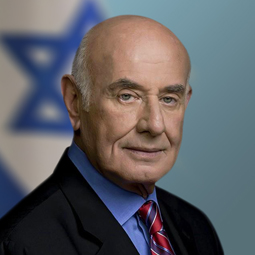 Yaakov Peri was appointed ISA director, replacing Yosef Harmelin. As ISA director, Peri instituted organizational changes as a response to the changed evaluations of the security and political situations, alongside organizational measures for dealing with the Intifada, and later, with the new situation created by the Oslo Accords.
Yaakov Peri appointed ISA Director
Apr, 1988
 In 1988, a clandestine cell of the "Matzpen" faction (the Israeli socialist organization, which was established in 1962 by a group who left the Israeli Communist Party), called "The Spark," was exposed. This radical left movement had been established in 1977, and had volunteered to aid Nayef Hawatmeh's Palestinian terror organization "Democratic Front for the Liberation of Palestine." The cell members, who were also the primary activists of " Spark," were recruited to the DFLP in London in 1983. Their activities were funded by the DFLP, and they carried out clandestine contacts with the terror organization. During the Intifada, the "Spark" recruits provided aid to DFLP terror activists, including sheltering fugitives.
In April 1988, four leaders of the "Spark" were arrested on charges of aiding a terror organization. They were found guilty, after they confessed as part of a plea bargain, and they were sentenced to periods of imprisonment of between nine and thirty months
In 1988, a clandestine cell of the "Matzpen" faction (the Israeli socialist organization, which was established in 1962 by a group who left the Israeli Communist Party), called "The Spark," was exposed. This radical left movement had been established in 1977, and had volunteered to aid Nayef Hawatmeh's Palestinian terror organization "Democratic Front for the Liberation of Palestine." The cell members, who were also the primary activists of " Spark," were recruited to the DFLP in London in 1983. Their activities were funded by the DFLP, and they carried out clandestine contacts with the terror organization. During the Intifada, the "Spark" recruits provided aid to DFLP terror activists, including sheltering fugitives.
In April 1988, four leaders of the "Spark" were arrested on charges of aiding a terror organization. They were found guilty, after they confessed as part of a plea bargain, and they were sentenced to periods of imprisonment of between nine and thirty months'The Spark' organization is exposed
Apr, 1988
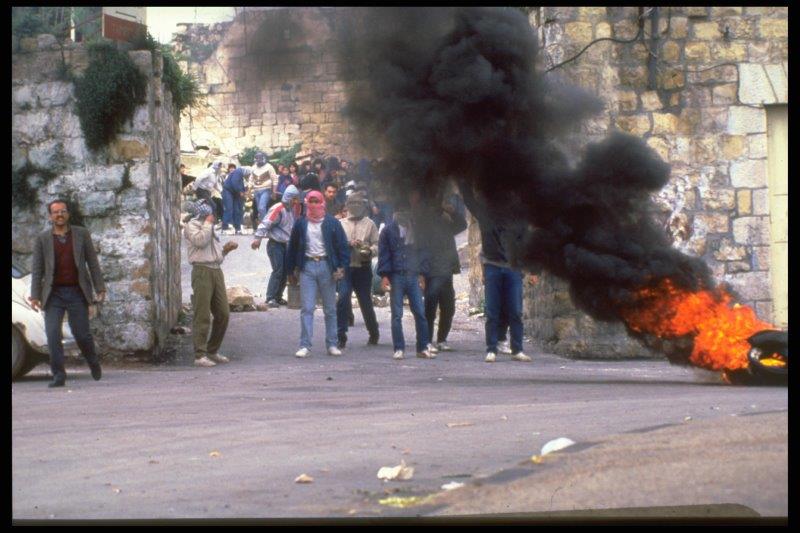 In December 1987, the first intifada broke out in the Gaza Strip, Judea and Samaria, with the characteristics of a popular uprising. Severe and violent riots which began in the Gaza Strip spread to the areas of Judea and Samaria, and developed into popular terrorist activity on a massive scale, including the throwing of Molotov cocktails, stabbings and physical attacks, sabotage of property, severe rioting, incitement, and mass murder of those suspected of collaboration with the Israeli authorities, and more.
The ISA was then called upon for the first time to deal with the unprecedented wave of rioting in the "territories," alongside its routine operational activity, and was required to adapt its activity to deal with the new challenge.
In January 1988, the ISA was charged with comprehensive responsibility for intelligence evaluations in the territories. For this purpose, a special research unit was established in the ISA Division of Arab Affairs.
In December 1987, the first intifada broke out in the Gaza Strip, Judea and Samaria, with the characteristics of a popular uprising. Severe and violent riots which began in the Gaza Strip spread to the areas of Judea and Samaria, and developed into popular terrorist activity on a massive scale, including the throwing of Molotov cocktails, stabbings and physical attacks, sabotage of property, severe rioting, incitement, and mass murder of those suspected of collaboration with the Israeli authorities, and more.
The ISA was then called upon for the first time to deal with the unprecedented wave of rioting in the "territories," alongside its routine operational activity, and was required to adapt its activity to deal with the new challenge.
In January 1988, the ISA was charged with comprehensive responsibility for intelligence evaluations in the territories. For this purpose, a special research unit was established in the ISA Division of Arab Affairs.The first intifada, December 1987
Dec, 1987
 As a result of the Nafso Affair, the Israeli government appointed an investigative commission to examine ISA interrogation methods and procedures. Moshe Landau, a retired Supreme Court justice, was appointed chairman of the investigative commission.
The commission published its conclusions in October 1987, and clarified the prohibition on using inappropriate physical pressure in interrogations, except in extraordinary cases where the moderate use of physical pressure was allowed, but only with special permission. The commission established regulations and procedures for the supervision of ISA interrogation methods.
Since that time, the supervision of interrogations has been increased, and principles regarding permitted and prohibited methods have been instilled in interrogators
As a result of the Nafso Affair, the Israeli government appointed an investigative commission to examine ISA interrogation methods and procedures. Moshe Landau, a retired Supreme Court justice, was appointed chairman of the investigative commission.
The commission published its conclusions in October 1987, and clarified the prohibition on using inappropriate physical pressure in interrogations, except in extraordinary cases where the moderate use of physical pressure was allowed, but only with special permission. The commission established regulations and procedures for the supervision of ISA interrogation methods.
Since that time, the supervision of interrogations has been increased, and principles regarding permitted and prohibited methods have been instilled in interrogatorsThe Landau Commission updates ISA interrogation procedures, May 31, 1987
May, 1987
 Izat Nafso, an IDF officer of Circassian origin was arrested in 1980 and in June 1982 was sentenced to eighteen years imprisonment for treason, espionage, and abetting the enemy in wartime. His claims at the time that his confession had been extracted from him by means of torture, were rejected.
In 1986, following the publication of the involvement of the ISA in the fabrication of evidence in the Bus 300 Affair, and the involvement of Yossi Ginosar, (who had participated in Nafso's interrogation) Nafso requested a reevaluation of his case.
In January 1987, ISA director Yosef Harmelin appointed an ISA investigative team, which determined that the confession had indeed been extracted under duress. Nafso's appeal was accepted in the Supreme Court, his earlier guilty verdict was repealed, and he was freed from jail.
As a result of the Nafso Affair, the Israeli government appointed an investigative commission to examine ISA interrogation methods and procedures. Moshe Landau, a retired Supreme Court justice, was appointed chairman of the investigative commission.
Izat Nafso, an IDF officer of Circassian origin was arrested in 1980 and in June 1982 was sentenced to eighteen years imprisonment for treason, espionage, and abetting the enemy in wartime. His claims at the time that his confession had been extracted from him by means of torture, were rejected.
In 1986, following the publication of the involvement of the ISA in the fabrication of evidence in the Bus 300 Affair, and the involvement of Yossi Ginosar, (who had participated in Nafso's interrogation) Nafso requested a reevaluation of his case.
In January 1987, ISA director Yosef Harmelin appointed an ISA investigative team, which determined that the confession had indeed been extracted under duress. Nafso's appeal was accepted in the Supreme Court, his earlier guilty verdict was repealed, and he was freed from jail.
As a result of the Nafso Affair, the Israeli government appointed an investigative commission to examine ISA interrogation methods and procedures. Moshe Landau, a retired Supreme Court justice, was appointed chairman of the investigative commission.The Nafso Affair, 1987
Jan, 1987
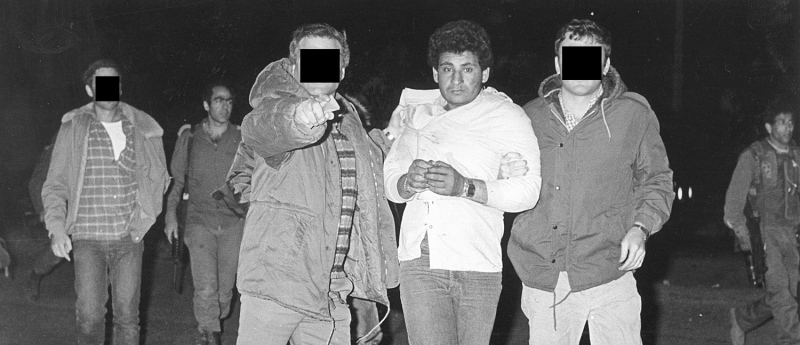 On April 12, 1984, four Palestinian terrorists seized an Egged bus, no. 300, traveling from Tel Aviv to Ashkelon with 35 passengers. When the military stormed the bus in Deir al-Balah, two terrorists were killed and two others were captured and transferred to an ISA investigation.
It was initially reported that all of the terrorists were killed in the storming of the bus, however after the publication of photographs of the incident in the press (photos by Alex Libek, former photographer of "Haaretz"), it was discovered that two had been captured alive.
The incident was examined by an investigative commission headed by Major General (retired) Meir Zorea, and later, by a commission headed by the state legal counsel, Yona Baltman.
In 1985, the details of the affair were revealed by three ISA division heads, among them the ISA deputy director Reuven Hazaq.
It was revealed that the terrorists had been executed at the order of the ISA director, following their capture. The ISA employees who testified before the investigation commission committed perjury also at the order of the ISA director. Yossi Ginosar, a senior official in the ISA, had participated in the investigative commission, and coordinated the testimonies of the ISA employees and reported to the ISA director on the committee's progress.
As a result, the state legal counsel, Yitzhak Zamir, called for a criminal investigation against the ISA director, Avraham Shalom, and against the other ISA employees who were suspected of killing the terrorists, as well as of fraud and cover-up.
In June 1986, on the recommendation of the government, the Israeli president granted amnesty to those involved in the affair, despite the fact that they had not yet been tried.
As a result of these events, ISA director Avraham Shalom resigned his position on September 14, 1986, and the former ISA director, Yosef Harmelin, was asked to replace him.
As a result of this incident, the ISA was thrown into a deep crisis – ethical and professional – facing the unacceptable norms which had been revealed during these events. Simultaneously, the incident caused a deep breach of trust from the public, law enforcement bodies, the judiciary, and state institutions. The ISA began an exhaustive process of revaluation and reappraisal, professional and ethical, which resulted in the formulation and integration of new standards of behavior and work procedures, and the integration of norms of operations into the framework of the law.
Since then, the lessons learned from this incident have been passed on to all the workers of the ISA through the educational framework and through the units. Another aspect of this reform was the decision to establish an internal auditor at the ISA. With the years, the values of the ISA have crystallized and the ISA law has been legislated.
On April 12, 1984, four Palestinian terrorists seized an Egged bus, no. 300, traveling from Tel Aviv to Ashkelon with 35 passengers. When the military stormed the bus in Deir al-Balah, two terrorists were killed and two others were captured and transferred to an ISA investigation.
It was initially reported that all of the terrorists were killed in the storming of the bus, however after the publication of photographs of the incident in the press (photos by Alex Libek, former photographer of "Haaretz"), it was discovered that two had been captured alive.
The incident was examined by an investigative commission headed by Major General (retired) Meir Zorea, and later, by a commission headed by the state legal counsel, Yona Baltman.
In 1985, the details of the affair were revealed by three ISA division heads, among them the ISA deputy director Reuven Hazaq.
It was revealed that the terrorists had been executed at the order of the ISA director, following their capture. The ISA employees who testified before the investigation commission committed perjury also at the order of the ISA director. Yossi Ginosar, a senior official in the ISA, had participated in the investigative commission, and coordinated the testimonies of the ISA employees and reported to the ISA director on the committee's progress.
As a result, the state legal counsel, Yitzhak Zamir, called for a criminal investigation against the ISA director, Avraham Shalom, and against the other ISA employees who were suspected of killing the terrorists, as well as of fraud and cover-up.
In June 1986, on the recommendation of the government, the Israeli president granted amnesty to those involved in the affair, despite the fact that they had not yet been tried.
As a result of these events, ISA director Avraham Shalom resigned his position on September 14, 1986, and the former ISA director, Yosef Harmelin, was asked to replace him.
As a result of this incident, the ISA was thrown into a deep crisis – ethical and professional – facing the unacceptable norms which had been revealed during these events. Simultaneously, the incident caused a deep breach of trust from the public, law enforcement bodies, the judiciary, and state institutions. The ISA began an exhaustive process of revaluation and reappraisal, professional and ethical, which resulted in the formulation and integration of new standards of behavior and work procedures, and the integration of norms of operations into the framework of the law.
Since then, the lessons learned from this incident have been passed on to all the workers of the ISA through the educational framework and through the units. Another aspect of this reform was the decision to establish an internal auditor at the ISA. With the years, the values of the ISA have crystallized and the ISA law has been legislated.
The "Bus 300" Affair, April 12, 1984
Dec, 1984
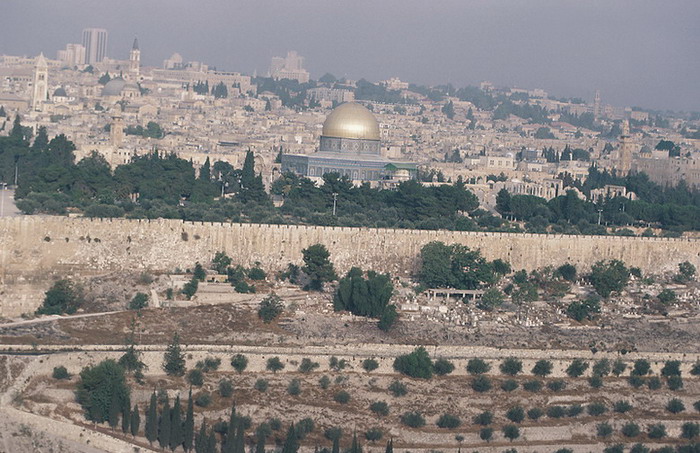 In April 1984, following an extensive intelligence effort, the ISA exposed a Jewish terrorist network, known as "The Jewish Underground", which had been responsible for the terrorist attacks against the mayors in Judea and Samaria in June 1980.
In July 1983, a cell of the network carried out a terror attack at the Islamic College in Hebron. The evidence led to the locating of the central suspects in the attack, and following this, surveillance led to the confirmation of the suspicions.
In April 1984, the ISA thwarted an additional attack planned by the members of the network: blowing up five Arab buses in the Jerusalem area by planting explosive devices in them.
In the aftermath of these events, suspects were arrested, and 28 members of the network were put on trial, amongst them central activists in "Gush Emunim" as well as Jewish residents of Judea, Samaria and the Golan Heights. The ISA also exposed the cells which had carried out the attacks on the mayors, as well as cells which planned to blow up the Dome of the Rock, and their members were brought to trial and sentenced to varying periods of imprisonment, including life sentences.
In April 1984, following an extensive intelligence effort, the ISA exposed a Jewish terrorist network, known as "The Jewish Underground", which had been responsible for the terrorist attacks against the mayors in Judea and Samaria in June 1980.
In July 1983, a cell of the network carried out a terror attack at the Islamic College in Hebron. The evidence led to the locating of the central suspects in the attack, and following this, surveillance led to the confirmation of the suspicions.
In April 1984, the ISA thwarted an additional attack planned by the members of the network: blowing up five Arab buses in the Jerusalem area by planting explosive devices in them.
In the aftermath of these events, suspects were arrested, and 28 members of the network were put on trial, amongst them central activists in "Gush Emunim" as well as Jewish residents of Judea, Samaria and the Golan Heights. The ISA also exposed the cells which had carried out the attacks on the mayors, as well as cells which planned to blow up the Dome of the Rock, and their members were brought to trial and sentenced to varying periods of imprisonment, including life sentences.Expose of "The Jewish Underground," April 1984
Apr, 1984
 On November 4, 1983, at 6:00 in the morning, a booby-trapped car laden with six hundred kilograms of explosives entered a military compound in the Tyre district in Lebanon, which served the ISA and the Border Police. The car was driven by members of the Islamic Jihad and the Lebanese Resistance Front.
Twenty-eight members of the security forces were killed in the explosion, including 16 soldiers from the Border Police, three ISA employees, and nine IDF soldiers. 31 Lebanese detainees were killed. Twenty-three people were wounded
On November 4, 1983, at 6:00 in the morning, a booby-trapped car laden with six hundred kilograms of explosives entered a military compound in the Tyre district in Lebanon, which served the ISA and the Border Police. The car was driven by members of the Islamic Jihad and the Lebanese Resistance Front.
Twenty-eight members of the security forces were killed in the explosion, including 16 soldiers from the Border Police, three ISA employees, and nine IDF soldiers. 31 Lebanese detainees were killed. Twenty-three people were woundedSecond Tyre Disaster, November 4, 1983
Nov, 1983
 Avraham Marcus Klingberg, a senior employee of the Israel Institute for Biological Research (IIBR), was arrested under suspicion of espionage on behalf of the Soviet Union. Klingberg, who masqueraded as a doctor, had access to the most sensitive secrets of the state of Israel through his work with the IDF and the IIBR. Klingberg had been recruited in Israel in 1953 by the undercover branch of Soviet intelligence operating from the Soviet embassy. His handlers used him intensively as a source of information until the cutting of ties with the Soviet Union in 1967, as well as afterwards, and he relayed to his handlers everything he knew.
. Throughout the years of his employment, the ISA investigated various suspicions raised against him, but which were not confirmed. Further information received about him in the 1970's brought about a renewal of the investigation, and confirmed the suspicion that he was a Soviet agent.
Klingberg was found guilty of espionage and was sentenced to life in prison. In the year 1998 he was released to house arrest due to "health considerations," and in January 2003 he was permitted to emigrate to France.
Avraham Marcus Klingberg, a senior employee of the Israel Institute for Biological Research (IIBR), was arrested under suspicion of espionage on behalf of the Soviet Union. Klingberg, who masqueraded as a doctor, had access to the most sensitive secrets of the state of Israel through his work with the IDF and the IIBR. Klingberg had been recruited in Israel in 1953 by the undercover branch of Soviet intelligence operating from the Soviet embassy. His handlers used him intensively as a source of information until the cutting of ties with the Soviet Union in 1967, as well as afterwards, and he relayed to his handlers everything he knew.
. Throughout the years of his employment, the ISA investigated various suspicions raised against him, but which were not confirmed. Further information received about him in the 1970's brought about a renewal of the investigation, and confirmed the suspicion that he was a Soviet agent.
Klingberg was found guilty of espionage and was sentenced to life in prison. In the year 1998 he was released to house arrest due to "health considerations," and in January 2003 he was permitted to emigrate to France.Avraham Marcus Klingberg is arrested
Jan, 1983
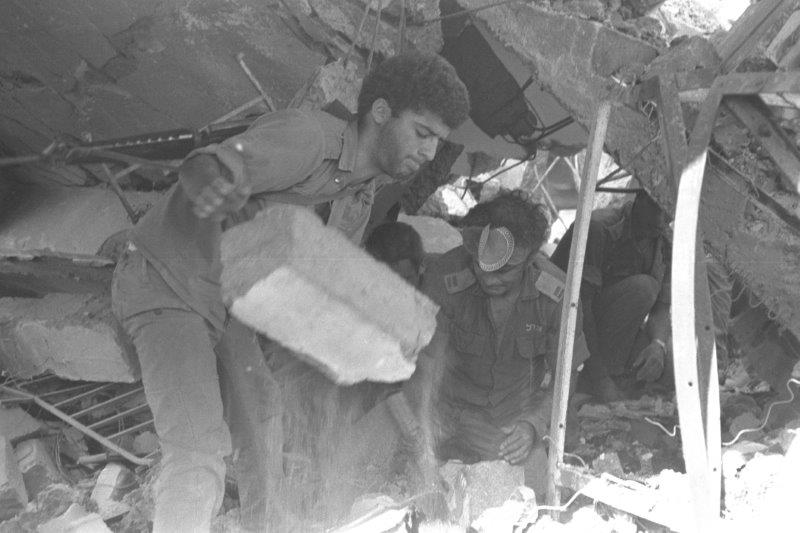
 On Thursday, November 11, 1982, at 7:15, an explosion ripped through a building serving the military government in Tyre, Lebanon. Ninety-one people were killed as a result of the explosion, including 67 IDF soldiers and members of the Border Police, nine ISA employees, and 15 local citizens under arrest.
For the first time in its history, the ISA was required to deal with an incident with numerous casualties to its very own staff. This disaster, and then the second Tyre disaster, were turning points in ISA care for the injured and their families. Since that time, the ISA prioritizes its commitment to maintaining its connection to the families of fallen employees and the commemoration of the fallen with appropriate honor.
On Thursday, November 11, 1982, at 7:15, an explosion ripped through a building serving the military government in Tyre, Lebanon. Ninety-one people were killed as a result of the explosion, including 67 IDF soldiers and members of the Border Police, nine ISA employees, and 15 local citizens under arrest.
For the first time in its history, the ISA was required to deal with an incident with numerous casualties to its very own staff. This disaster, and then the second Tyre disaster, were turning points in ISA care for the injured and their families. Since that time, the ISA prioritizes its commitment to maintaining its connection to the families of fallen employees and the commemoration of the fallen with appropriate honor.
First Tyre Disaster
Nov, 1982
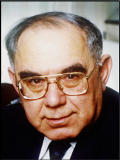 Avraham Shalom – Ben Dor was appointed ISA Director, replacing Avraham Ahituv who concluded his service. Shalom was recruited to the Agency in 1950 and served in various command positions. During his service, he participated in various operations, including the capture of Eichmann, the locating of the child Yossele Shumacher, and the "German Scientists."
Following the Munich Olympics Massacre in 1972, he was appointed head of the Security Division, a position he held until 1980. In 1980 he was appointed ISA Director, and he resigned in 1986, in the aftermath of the "Bus 300" affair.
Avraham Shalom – Ben Dor was appointed ISA Director, replacing Avraham Ahituv who concluded his service. Shalom was recruited to the Agency in 1950 and served in various command positions. During his service, he participated in various operations, including the capture of Eichmann, the locating of the child Yossele Shumacher, and the "German Scientists."
Following the Munich Olympics Massacre in 1972, he was appointed head of the Security Division, a position he held until 1980. In 1980 he was appointed ISA Director, and he resigned in 1986, in the aftermath of the "Bus 300" affair.Avraham Shalom – Ben Dor is appointed ISA Director
Dec, 1980
On June 2, 1980, a series of terrorist attacks were carried out against mayors of cities in Judea and Samaria, who had organized themselves in the framework of the Palestinian "National Direction Council," active in Judea, Samaria and Gaza.
The attacks began with the explosion of a device in the casbah in Hebron, not far from the location where the Kiryat Arba seminary student Yehoshua Salooma had been murdered. Seven Arabs were wounded.
Some time later, devices exploded when the mayors of Ramallah and Nablus, Karim Halaf and Bassam Shaq'a, started their cars. Halaf lost one leg, and Bassam lost both.
The military government ordered the examination of the cars of the other mayors in Judea and Samaria. Border Police explosives engineer Suleiman Hirbawi, who was sent to check the car of the mayor of Al-Bireh, ran into booby-trapped barbed wire which activated an explosive device near the garage. He was severely wounded and permanently blinded. The immediate conclusion was that the terror attacks had been carried out by Jews, given that one month earlier, a severe terror attack had been carried out by Fatah terrorists against a group of Jewish worshippers returning from the Cave of Machpela to the Beit Hadassah neighborhood in Hebron. In this attack six worshippers had been killed.
Investigation revealed that the attacks were carried out with weapons owned by the IDF.
Following these terror attacks, the ISA intensified its efforts to thwart Jewish terror.The ISA intensifies its efforts to counter Jewish terror
Jun, 1980
The government defines the division of duties between the ISA and the Israel Police
Jan, 1975
Read More
Government decision 411 was passed, which defined the division of the responsibilities between the ISA and the Israel Police, regarding the security of governmental bodies within Israel. The decision emphasized ISA responsibility for information security, VIP protection, and the security of certain installations, as well as security checks for governmental bodies. It was established that the Israel Police would be responsible for the the physical security of governmental and public institutions and installations, and the implementation of ISA recommendations regarding security checks in its specific areas of responsibility (Decision 411 replaced the earlier Decision 1006 of September 2, 1973).The government defines the division of duties between the ISA and the Israel Police
Jan, 1975
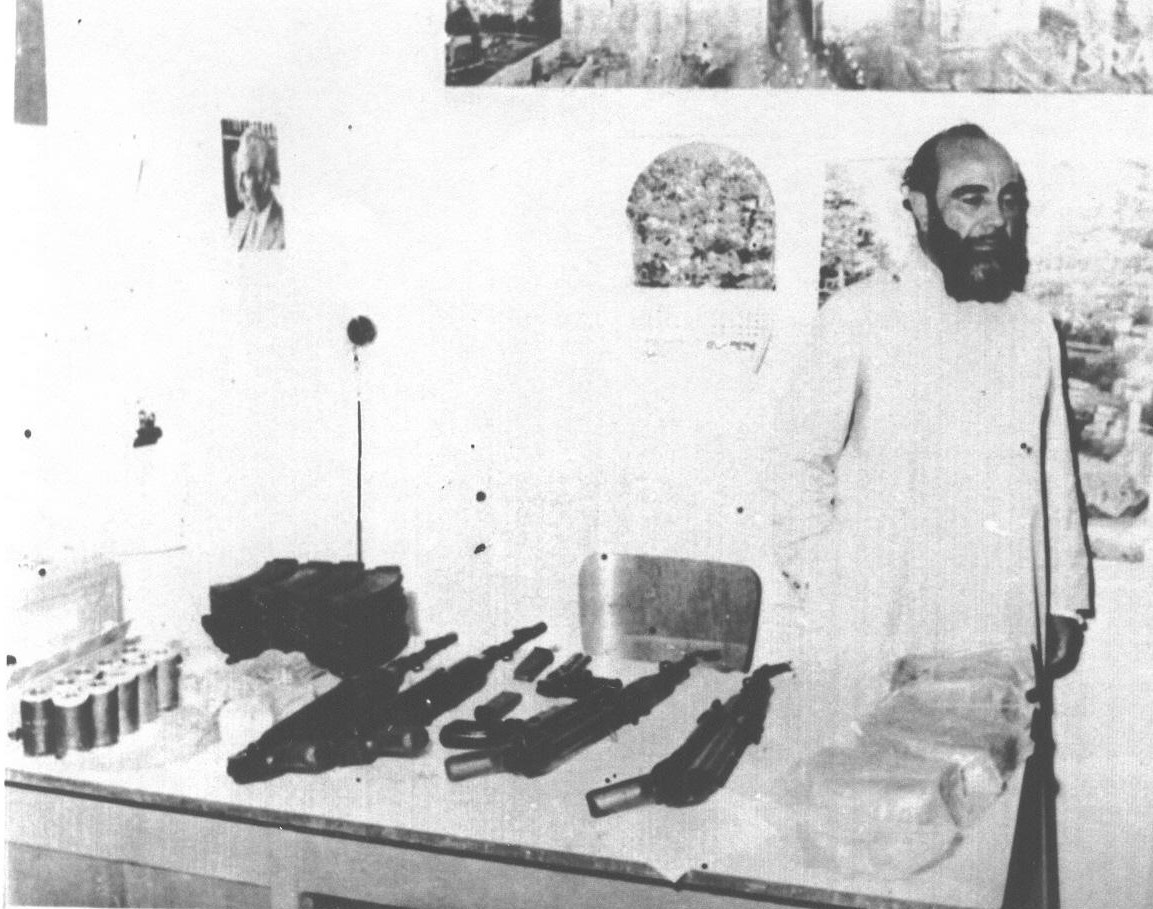 The archbishop Hilarion Capuchi was arrested following an ISA intelligence operation, which revealed that he was responsible for smuggling terrorist weaponry from Lebanon into Israel in his car. Capuchi was tried and sentenced to twelve years of imprisonment, but was released after only three years, following a plea from the Pope to the Israeli government.
Archbishop Capuchi is arrested after aiding Fatah terrorist activity
Aug, 1974
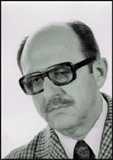 December 1, 1974, Avraham Ahituv was appointed ISA Director, replacing Yosef Harmelin. Ahituv served in the ISA for 31 years, including seven as ISA Director.
Avraham Ahituv is appointed ISA Director
Jan, 1974
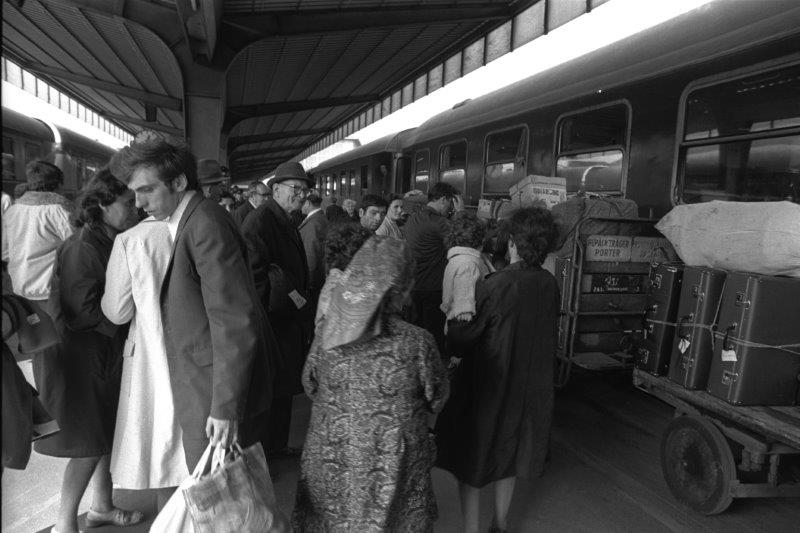 On September 28th, 1973, two Arab terrorists took control of a train carriage carrying immigrants to Israel from the Soviet Union, at the Austria-Czechoslovakia border crossing. They took six hostages – five immigrants, and an Austrian customs official – and departed for the Vienna airport in a car provided for them by the authorities. In the transfer between the train and the car, two of the immigrants being held as hostages managed to escape.
The terrorists who boarded the train in Czechoslovakia presented themselves as members of the organization "Hawks of the Palestinian Revolution," and demanded the cessation of the passage of immigrants to Israel via Austria. Following negotiations which lasted sixteen hours, with the participation of diplomats from Arab embassies in Vienna, the Austrian government acquiesced to the demand to close the immigrant camp in Schonau near Vienna. The hostages were freed and the terrorists were permitted to safely depart Austria for Libya.
Following the incident, the immigrant camp was transferred to a different location, and was placed under the supervision of the Austrian Red Cross. Furthermore, the ISA assumed responsibility for the security of the immigrants in Austria.
On September 28th, 1973, two Arab terrorists took control of a train carriage carrying immigrants to Israel from the Soviet Union, at the Austria-Czechoslovakia border crossing. They took six hostages – five immigrants, and an Austrian customs official – and departed for the Vienna airport in a car provided for them by the authorities. In the transfer between the train and the car, two of the immigrants being held as hostages managed to escape.
The terrorists who boarded the train in Czechoslovakia presented themselves as members of the organization "Hawks of the Palestinian Revolution," and demanded the cessation of the passage of immigrants to Israel via Austria. Following negotiations which lasted sixteen hours, with the participation of diplomats from Arab embassies in Vienna, the Austrian government acquiesced to the demand to close the immigrant camp in Schonau near Vienna. The hostages were freed and the terrorists were permitted to safely depart Austria for Libya.
Following the incident, the immigrant camp was transferred to a different location, and was placed under the supervision of the Austrian Red Cross. Furthermore, the ISA assumed responsibility for the security of the immigrants in Austria.The ISA provides security for immigrants in Austria
Sep, 1973
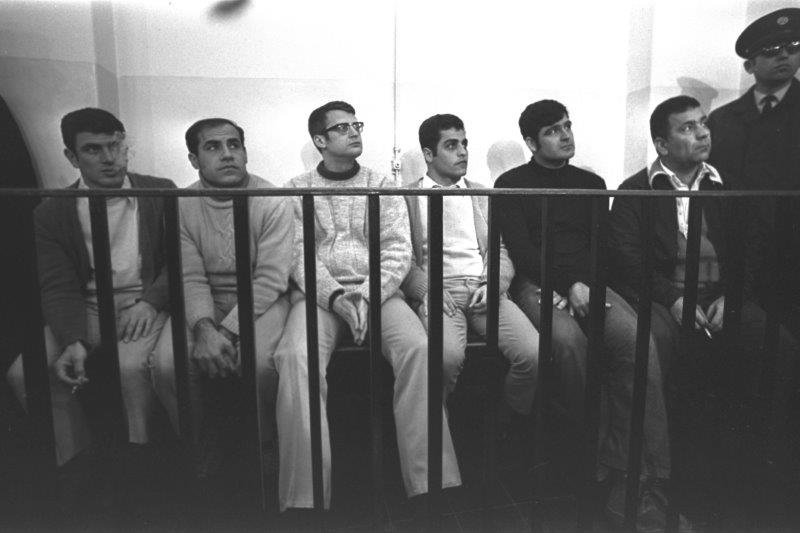
A Jewish-Arab espionage and terror network operated by the Syrian intelligence is exposed.
Dec, 1972
Read More
In December 1972, the ISA exposed a Jewish-Arab espionage and terror network, operated by the Syrian intelligence. The network, which had 34 members, was headed by Daud Turki, an Arab resident of Haifa. Habib Kahwaji, an Arab formerly resident in Israel and an activist in the Al-Ard organization, was the handler of the network for Syrian intelligence. Before leaving Israel, Kahwaji had been held in administrative detention under suspicion of espionage on behalf of both the Syrian and Egyptian intelligence organizations. It was revealed that one of the cells in the network included Jews who were former members of the "Matzpen" faction ("Matzpen" was a socialist Israeli organization founded in 1962 by those who broke away from the Israeli Communist Party) and of the "Red Front" (a Maoist faction which broke away from Matzpen in September 1970). This cell was headed by Ehud Adiv; other members were Dan Vered, David Cooper and Yehezkel Cohen. The central figures in the affair were sentenced to lengthy prison sentences.A Jewish-Arab espionage and terror network operated by the Syrian intelligence is exposed.
Dec, 1972
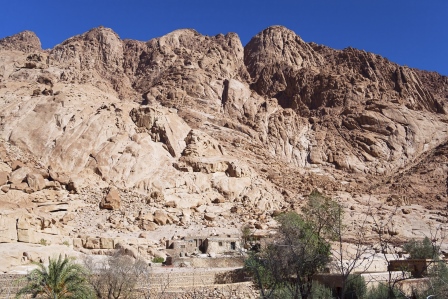 The ISA was entrusted with internal security in the Sinai Peninsula, which until that point had been the responsibility of army intelligence. In this context the ISA worked together with Egyptian intelligence agents in the peninsula.
The ISA begins activities in the Sinai Peninsula
Oct, 1972
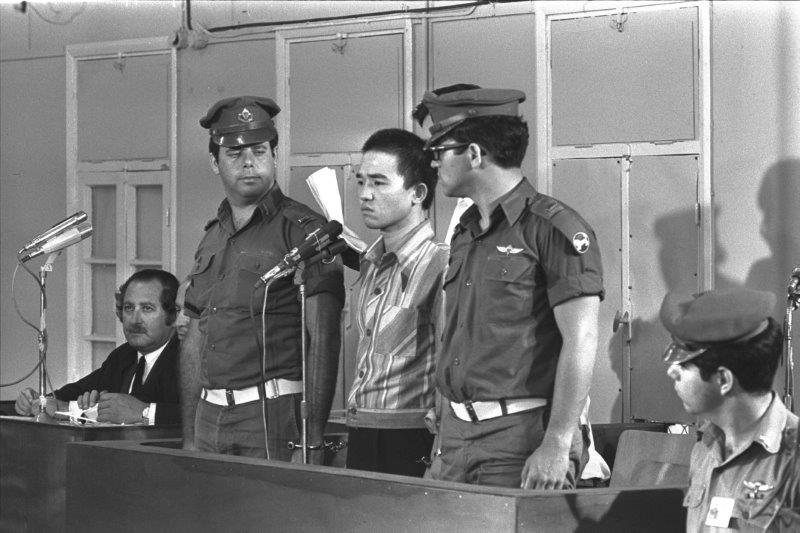 On May 30, 1972, an Air France flight landed at the Ben-Gurion Airport, and three terrorists from the "Japanese Red Army" terrorist organization, acting in concert with the Palestinian terror organization, the Popular Front for the Liberation of Palestine, disembarked. They took weapons and hand grenades out of their suitcases and began firing in all directions. 25 were killed in the attack, and 72 were wounded.
Two of the terrorists were killed and one, Kozo Okomoto, was captured.
Realizing the necessity, special security units were established at the Ben-Gurion airport and at the Haifa port, under ISA supervision.
On May 30, 1972, an Air France flight landed at the Ben-Gurion Airport, and three terrorists from the "Japanese Red Army" terrorist organization, acting in concert with the Palestinian terror organization, the Popular Front for the Liberation of Palestine, disembarked. They took weapons and hand grenades out of their suitcases and began firing in all directions. 25 were killed in the attack, and 72 were wounded.
Two of the terrorists were killed and one, Kozo Okomoto, was captured.
Realizing the necessity, special security units were established at the Ben-Gurion airport and at the Haifa port, under ISA supervision.The ISA establishes a training unit for security in ports and transit points
May, 1972
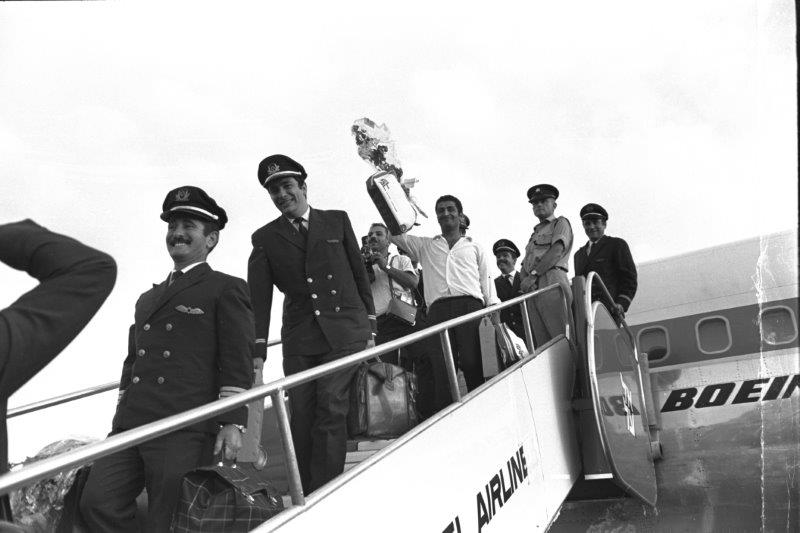
The ISA takes responsibility for the direction of Israeli airline security abroad
Jul, 1968
Read More
In July 1968, an El Al plane was hijacked to Algeria. Following this incident, the ISA received responsibility for the direction of Israeli airline security abroad, including the recruitment and training of security guards and members of the security divisions of Israeli airlinesThe ISA takes responsibility for the direction of Israeli airline security abroad
Jul, 1968
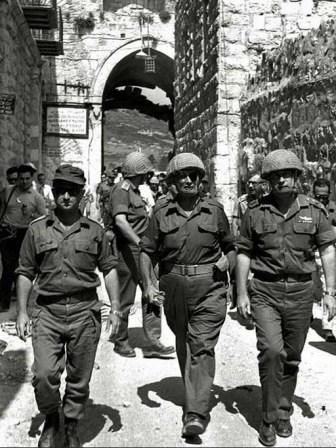 The Six Day War was a central landmark in the development of the ISA and its areas of operation. As a result of the war, diplomatic relations between Israel and the majority of the Eastern European countries were cut off, and their diplomatic and intelligence missions left the country. Responsibility for dealing with Eastern European espionage continued, but changed significantly.
Following the Six Day War, the ISA was assigned responsibility for counterterror and counterespionage in the areas of Judea, Samaria and the Gaza Strip.
The capture of these areas brought about an increase in Palestinian terror within Israel, in the territories, and abroad.
In addition, there were attempts to carry out terror attacks against air travel and shipping to and from Israel, as well as Israeli diplomatic missions and delegations abroad.
Security and counterterror became central issues for the ISA:
• Security: The ISA began to direct airline security, including flights to and from Israel. as well as internal civilian flights
• Counterterror against Palestinian terror in the "territories" and in Israel: The field units and interrogation units charged with countering terror, primarily in the ISA Jerusalem and Southern Commands, were significantly expanded.
The Six Day War was a central landmark in the development of the ISA and its areas of operation. As a result of the war, diplomatic relations between Israel and the majority of the Eastern European countries were cut off, and their diplomatic and intelligence missions left the country. Responsibility for dealing with Eastern European espionage continued, but changed significantly.
Following the Six Day War, the ISA was assigned responsibility for counterterror and counterespionage in the areas of Judea, Samaria and the Gaza Strip.
The capture of these areas brought about an increase in Palestinian terror within Israel, in the territories, and abroad.
In addition, there were attempts to carry out terror attacks against air travel and shipping to and from Israel, as well as Israeli diplomatic missions and delegations abroad.
Security and counterterror became central issues for the ISA:
• Security: The ISA began to direct airline security, including flights to and from Israel. as well as internal civilian flights
• Counterterror against Palestinian terror in the "territories" and in Israel: The field units and interrogation units charged with countering terror, primarily in the ISA Jerusalem and Southern Commands, were significantly expanded.The Six Day War, countering Palestinian terror, and directing security training
Jun, 1967
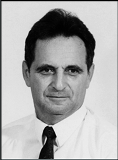 On December 31, 1963, Yosef Harmelin was appointed ISA Director, replacing Amos Manor. Harmelin joined the ISA in 1949 and served in a number of different positions. In 1960 he was appointed deputy director of the ISA.
Harmelin served as ISA director until 1974.
In 1986, following the "Bus 300" affair, he was called to return as director to rehabilitate and unite the organization. He returned and served as director for two additional years.
On December 31, 1963, Yosef Harmelin was appointed ISA Director, replacing Amos Manor. Harmelin joined the ISA in 1949 and served in a number of different positions. In 1960 he was appointed deputy director of the ISA.
Harmelin served as ISA director until 1974.
In 1986, following the "Bus 300" affair, he was called to return as director to rehabilitate and unite the organization. He returned and served as director for two additional years.Yosef Harmelin is appointed ISA Director.
Dec, 1963
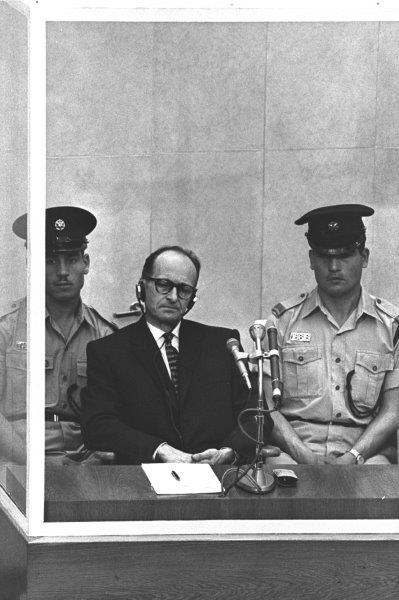
The Nazi criminal Adolf Eichmann is captured in a joint operation by the Mossad and the ISA
May, 1960
Read More
Adolf Eichmann, head of the operational division of the S.S., was responsible for implementing the plan to annihilate the Jews of Europe. Eichmann was found guilty and sentenced to death. This was the first and only death sentence in the history of the state of Israel.
In 1959, the Mossad received information stating that Eichmann was living in Buenos Aires under the name Ricardo Clement. A special investigator sent to Argentina by the Mossad director, Isser Harel, located Clement, and on the basis of data that was collected, it was concluded that Clement was indeed Eichmann.
As a result, the Mossad director decided to send operational teams to Buenos Aires to gather operational information, to capture Eichmann and to bring him to Israel. The operational teams, and in particular the team which carried out Eichmann's capture, consisted primarily of ISA employees.
Clement – Eichmann was captured on May 11, 1960, and was held in an operational apartment in Buenos Aires. In a preliminary interrogation held there, it was proved that Clement was undoubtedly the Nazi criminal Eichmann.
He was flown to Israel in the El Al plane which had transported the Foreign Minister Abba Eban to Argentina for the 150th anniversary celebrations of Argentinean independence. When the plane landed in Israel on May 22, 1960, Eichmann was arrested.
His trial began in March 1961, and he was found guilty, sentenced to death, and hanged on June 1, 1962.The Nazi criminal Adolf Eichmann is captured in a joint operation by the Mossad and the ISA
May, 1960
 Following the October 1957 incident in which a grenade was thrown in the Parliament, by an insane individual, Moshe Dueck, leading to the injury of Prime Minister David Ben-Gurion and the ministers Moshe Hayyim Shapira and Golda Meir, the ISA was appointed responsible for state VIP protection, and the VIP protection unit was created. Until that point Ben-Gurion's security had been the joint responsibility of the ISA and the Israel Police, and the parliamentary committee investigating the event had discovered that there was no body explicitly charged with VIP protection.
The ISA is appointed responsible for state VIP protection
Jan, 1958
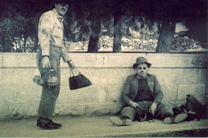 Following the murder of Dr. Israel Kastner (March 1957) and the arrest and sentencing of those involved, the final terrorist organization of the nation's early years was exposed. This event marked the end of the "underground organizations era," that is, the period in which the ISA focused on internal issues. Furthermore, the existence of the ISA was first revealed publicly in connection with this event. In 1953 Kastner had been accused by Michael Greenwald of collaboration with the Nazis in the annihilation of the Jews of Hungary during World War II; however in 1958 the Supreme Court determined that this had not been the case.
The end of the "underground organizations era"
Mar, 1957
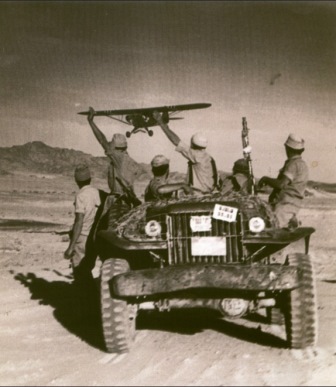 ISA participated in the Sinai Campaign, and aided the IDF in intensive activity to thwart Arab terror and espionage in the Gaza Strip until the pullout in 1957.
The ISA aids in the Sinai Campaign
Oct, 1956
 Countering Eastern European espionage became one of the ISA's major responsibilities. During this period a number of agents working in Israel on behalf of Eastern European intelligence organizations were discovered, including:
• Ze'ev Avni (Goldstein), a Foreign Ministry employee, was exposed and arrested in April 1956, after having served as a Soviet intelligence agent. Avni, a fervent Communist, who had served as a Soviet intelligence agent in Switzerland during World War II, had been accepted to employment in the Foreign Ministry in 1950. Following his exposure, Avni was sentenced to fourteen years imprisonment.
• In October 1956, an espionage network handled by Polish intelligence and headed by Aliza Fos was uncovered.
• Levi Levi, a Polish intelligence agent who was infiltrated into the ISA in 1950, was exposed in February 1958.
• Aharon Cohen, a specialist on the Middle East and resident of Kibbutz Sha'ar Ha-Amaqim, was revealed as a Soviet intelligence agent in October 1958.
• Israel Bar, a military analyst and former lieutenant colonel in the IDF who was employed as a historian in the Defense Ministry, was arrested in March 1961 as a Soviet intelligence agent (see expanded story).
• E.S., an agent infiltrated by the Romanian intelligence, was arrested in March 1965.
Countering Eastern European espionage became one of the ISA's major responsibilities. During this period a number of agents working in Israel on behalf of Eastern European intelligence organizations were discovered, including:
• Ze'ev Avni (Goldstein), a Foreign Ministry employee, was exposed and arrested in April 1956, after having served as a Soviet intelligence agent. Avni, a fervent Communist, who had served as a Soviet intelligence agent in Switzerland during World War II, had been accepted to employment in the Foreign Ministry in 1950. Following his exposure, Avni was sentenced to fourteen years imprisonment.
• In October 1956, an espionage network handled by Polish intelligence and headed by Aliza Fos was uncovered.
• Levi Levi, a Polish intelligence agent who was infiltrated into the ISA in 1950, was exposed in February 1958.
• Aharon Cohen, a specialist on the Middle East and resident of Kibbutz Sha'ar Ha-Amaqim, was revealed as a Soviet intelligence agent in October 1958.
• Israel Bar, a military analyst and former lieutenant colonel in the IDF who was employed as a historian in the Defense Ministry, was arrested in March 1961 as a Soviet intelligence agent (see expanded story).
• E.S., an agent infiltrated by the Romanian intelligence, was arrested in March 1965.The ISA counters Eastern European espionage
Apr, 1956
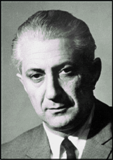 Amos Manor was appointed ISA Director, replacing Yitzhak Dorot, who resigned. He served in the position until December 31, 1963. Manor established the status of the agency as a national body.
Amos Manor is appointed ISA Director
Oct, 1953
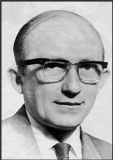 Following his appointment as chief of Institute for Intelligence and Special Operations, the "Mossad," and responsible for the Security Services, Isser Harel concluded his service as ISA Director, and Yitzhak (Izi) Dorot was appointed in his place. Dorot served as director during the years 1952-53.
Yitzhak (Izi) Dorot is appointed ISA Director
Oct, 1952
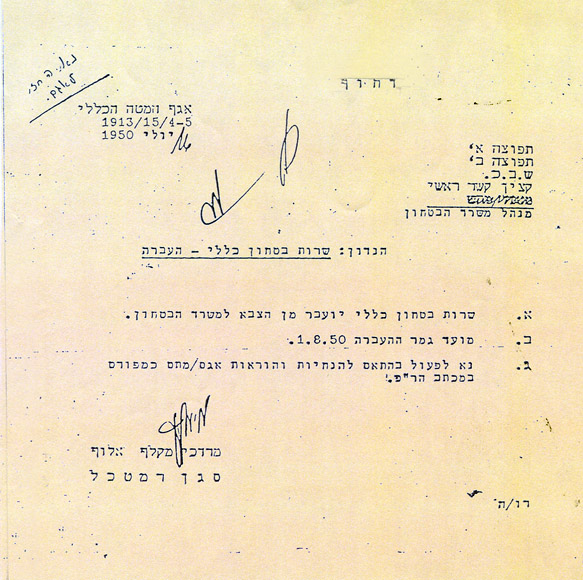
The Israel Security Agency is transferred from a military framework to a civilian framework
Aug, 1950
Read More
The Agency was transferred from a military framework to a civilian framework and became officially responsible to the Ministry of Defense. Its employees became civil servants. In March 1963, following the Yadin-Saraf committee decisions, the Agency was made directly subject to the prime minister and to the Prime Minister's Office, and has remained so until the present.
During the fifties, the Agency focused on internal issues (subversive activity in the Jewish sector), including the surveillance of a number of Zionist parties and religious organizations such as the underground organizations "Kingdom of Israel" (the Tsrifin Underground), "Zealots Covenant," and the group that carried out the murder of Dr. Israel Kastner.
The fifties are considered a period in which the ISA activities were mainly concentrated on internal threats of subversion and not on threats from external enemies. The Israel Security Agency is transferred from a military framework to a civilian framework
Aug, 1950

The ISA takes on responsibility for gathering information about possible threats to the security of the State of Israel
Jul, 1950
Read More
The ISA took on responsibility for gathering information about threats to the security of the state in Israel, in diplomatic missions, and in foreign and international institutions. Until this point, this had been the responsibility of "Da'at", the operational wing of the "Political Division" (or the "Research Wing") of the Foreign Ministry.The ISA takes on responsibility for gathering information about possible threats to the security of the State of Israel
Jul, 1950
 In a discussion regarding the intelligence services of the state of Israel, which took place in the presence of prime minister and defense minister David Ben Gurion, the "Security Service" was established, and registered officially on March 11, 1949, as a military unit called the "Israel Security Agency." The official summary stated that the intelligence activity of the state of Israel would be carried out by four bodies:
• army intelligence
• the Security Service
• the intelligence services of the Foreign Ministry
• the Police Department of Crime Investigation.
Regarding the security service and its role, the summary stated:
"…Care for the internal security in the state as a whole as well as in the army, issues of counterespionage, foreign agents, underground organizations, etc, will become the responsibility of the security service This agency will be subject to the authority of the defense minister, and will be responsible for all the security problems in the state, including those in the army. A special army unit will be provided for the agency's use. For various reasons this unit will be registered as subject to the authority of the army intelligence.
Isser Harel, who had served as the director of "Mahatz," was transferred to the command of the Israel Security Agency, and in the fall of 1952, he was also appointed director of the Institute for Intelligence and Special Operations, the "Mossad." by the prime minister and the defense minister.
In a discussion regarding the intelligence services of the state of Israel, which took place in the presence of prime minister and defense minister David Ben Gurion, the "Security Service" was established, and registered officially on March 11, 1949, as a military unit called the "Israel Security Agency." The official summary stated that the intelligence activity of the state of Israel would be carried out by four bodies:
• army intelligence
• the Security Service
• the intelligence services of the Foreign Ministry
• the Police Department of Crime Investigation.
Regarding the security service and its role, the summary stated:
"…Care for the internal security in the state as a whole as well as in the army, issues of counterespionage, foreign agents, underground organizations, etc, will become the responsibility of the security service This agency will be subject to the authority of the defense minister, and will be responsible for all the security problems in the state, including those in the army. A special army unit will be provided for the agency's use. For various reasons this unit will be registered as subject to the authority of the army intelligence.
Isser Harel, who had served as the director of "Mahatz," was transferred to the command of the Israel Security Agency, and in the fall of 1952, he was also appointed director of the Institute for Intelligence and Special Operations, the "Mossad." by the prime minister and the defense minister.The establishment of the Security Service
Feb, 1949
The origins of the Israel Security Agency from "Mahatz" and the Intelligence Service
Jul, 1948
Read More
The Haganah intelligence service, "Shai," was dissolved, and became the intelligence community including "Mahatz," an internal intelligence service under the leadership of Isser Halperin-Harel. The unit acted within a military framework and was responsible to the prime minister and the defense minister. "Mahatz" dealt with the Jewish sector, while responsibility for the Arab sector and for counterespionage was assumed by the army intelligence, at that time called the "Intelligence Service."
See also: Documents regarding the establishment of the ISAThe origins of the Israel Security Agency from "Mahatz" and the Intelligence Service
Jul, 1948